
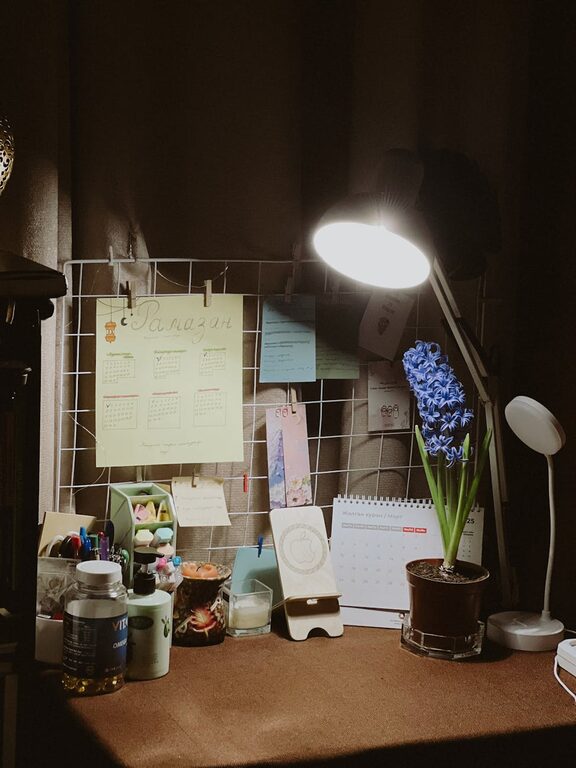
Creating a cozy and inviting home office space is essential for anyone working remotely or spending significant time on personal projects. A well-designed workspace not only makes work more enjoyable but also helps improve focus and productivity. Whether you have a dedicated room or just a corner in your living area, you can transform it into a comfortable and welcoming spot with a few simple ideas. Here are practical tips to help you build a home office that feels just right.
Choose the Right Location
Find a Quiet and Bright Spot
Select a place in your home with minimal distractions and good natural light. A spot near a window is ideal, as daylight enhances mood and alertness. If natural light is limited, invest in warm, adjustable lighting to reduce eye strain and create a pleasant atmosphere.
Consider Privacy and Comfort
Make sure your workspace is in an area where you can work without interruptions. If you share your home with others, discuss boundaries to maintain focus during work hours.
Invest in Comfortable Furniture
Ergonomic Chair and Desk
Comfort is key for long working hours. Choose an ergonomic chair with good back support and height adjustment options. Pair it with a desk that suits your height and offers enough surface area for your tools and devices.
Multi-Functional Storage
Opt for furniture that combines storage and workspace efficiency. Shelves, drawers, and cabinets keep your office tidy and within reach, reducing clutter that can distract you.
Personalize Your Space
Add Textiles for Warmth
Soft cushions, a cozy rug, or curtains can make a huge difference, making your office feel less sterile and more like your own sanctuary.
Decorate with Meaning
Incorporate items you love—plants, artwork, photos, or inspiring quotes. These details create a friendly environment and boost your mood during long workdays.
Organize for Productivity
Use Smart Storage Solutions
Desk organizers, cable management tools, and labeled containers help keep your workspace neat. A clutter-free environment promotes clear thinking and efficiency.
Create Zones
If space allows, establish separate areas for computer work, reading, or brainstorming. This physical distinction can help your brain switch between tasks smoothly.
Optimize Lighting and Ambience
Layer Your Lighting
Combine overhead lights with desk lamps and ambient sources to create a well-lit and inviting space. Soft, warm bulbs are often more relaxing and reduce fatigue.
Control Noise
Consider soundproofing options or noise-cancelling headphones if your home is noisy. Gentle background music or white noise machines can also improve concentration.
Incorporate Greenery and Nature
Bring in Indoor Plants
Plants not only beautify your space but also improve air quality and reduce stress. Choose easy-to-care-for varieties like succulents or snake plants for low maintenance.
Natural Elements
Wooden furniture, stone accessories, or nature-inspired artwork can make your office feel grounded and serene.
Maintain Cleanliness and Routine
Regular Tidying
Set aside a few minutes daily to organize your desk and file paperwork. A clean space refreshes your mind and prepares you for the next day.
Develop a Work Ritual
Start your day with a consistent routine—whether it’s brewing tea, tidying your desk, or a brief stretch. This helps signal your brain that it’s time to focus.
Final Thoughts
Creating a cozy and inviting home office is about balance — combining comfort, functionality, and your personal style. With thoughtful choices in location, furniture, lighting, and decoration, your workspace can become a place you look forward to spending time in. Remember, the goal is to build an environment that supports both productivity and well-being, making work at home a positive experience.
By following these tips, you’ll have a home office that feels just as warm and welcoming as it is efficient and organized. Happy decorating!