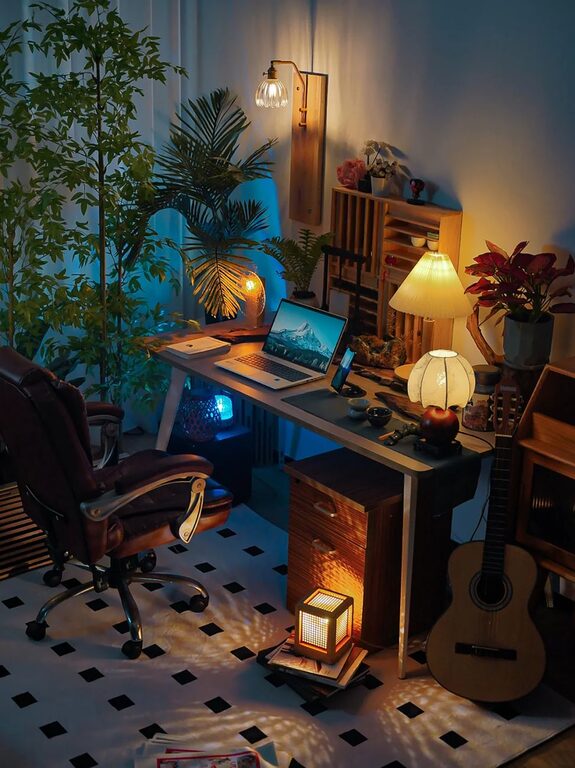
Creating a home office that is both inviting and functional can significantly improve your work-from-home experience. Whether you have a dedicated room or a small corner to set up, the goal is to design a space that encourages focus, creativity, and comfort. Here are some practical tips to help you create a home office that meets your needs and feels welcoming.
Choose the Right Location
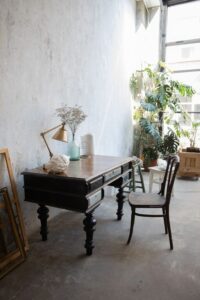
The location of your home office is crucial for productivity. Ideally, pick a quiet area with ample natural light. Natural light can boost your mood and energy levels, making it easier to stay focused throughout the day. If natural light is limited, consider investing in good quality artificial lighting.
If possible, separate your home office from busy areas like the kitchen or living room to minimize distractions. Even a small nook or a part of a spare room can work well if designed thoughtfully.
Invest in Ergonomic Furniture
Comfort is key when working long hours at a desk. An ergonomic chair and desk can prevent common problems like back pain and eye strain. Look for:
– A chair with adjustable height and lumbar support
– A desk with adequate surface area for your equipment and notes
– A setup that allows your monitor to be at eye level, helping reduce neck strain
Standing desks or adjustable desks are also excellent options for alternating between sitting and standing to maintain good posture.
Keep It Organized
A cluttered desk can lead to a cluttered mind. Organizing your office space can increase efficiency and reduce stress. Here are some organisation ideas:
– Use shelves or cabinets to store documents and supplies
– Desk organisers or trays can keep small items like pens and paper clips tidy
– Cable management solutions can prevent tangled cords and messy cables
– Label files and containers for easy access
Regularly declutter your space to maintain a clean and inviting environment.
Personalize Your Space
Adding personal touches to your home office can make the space more enjoyable to spend time in. Consider:
– Adding plants to improve air quality and bring a bit of nature indoors
– Hanging artwork or photos that inspire or relax you
– Using colours that you find calming or energising for walls or accessories
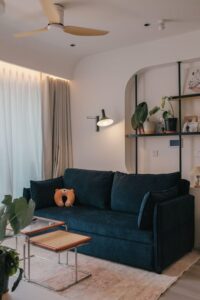
– A comfortable rug or cushions to add warmth and softness
Balance personality with professionalism to keep the space both inviting and suitable for work.
Enhance Lighting
Good lighting is essential for reducing eye strain and creating a positive work atmosphere. Besides natural light, try the following:
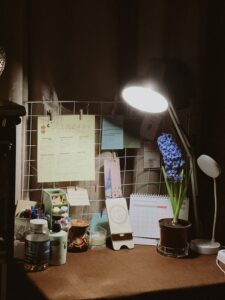
– Use desk lamps with adjustable brightness
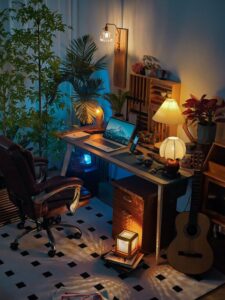
– Opt for warm light bulbs to create a cozy effect, or cooler tones for alertness
– Avoid harsh overhead lighting that can cause glare on screens
Position your computer screen perpendicular to windows to minimise glare.
Manage Noise Levels
Noise can disrupt concentration. To create a peaceful workspace:
– Use noise-cancelling headphones if the surrounding environment is noisy
– Add soft furnishings such as curtains, rugs, and cushions to absorb sound
– Consider white noise machines or background music to mask distracting noises
If possible, choose a quiet room away from household activity.
Technology and Connectivity
Reliable technology is vital:
– Ensure your internet connection is strong and stable
– Organise your computer, printer, and other electronic devices efficiently
– Use wireless devices where possible to reduce cords clutter
– Keep chargers and peripherals accessible but neat
Upgrade your equipment when necessary to avoid interruptions during work.
Set Defined Work Hours and Boundaries
To maintain a healthy work-life balance:
– Define clear working hours to avoid overworking
– Use a separate room or corner as your office to physically separate work from home life
– Communicate your availability to household members during work time
This approach helps mentally switch between work mode and relaxation.
Maintain Comfort and Air Quality
A comfortable environment supports productivity:
– Keep your workspace at a comfortable temperature
– Open windows regularly to ventilate the area and improve air quality
– Use an air purifier if you have allergies or pets
Comfortable conditions help reduce fatigue and keep you focused.
Final Thoughts
Designing an inviting and functional home office involves a mix of practical furniture choices, thoughtful organisation, personal touches, and creating a comfortable, well-lit environment. By taking these steps, you can create a workspace that not only supports your productivity but also makes working from home a pleasant experience. Start small and adjust your setup as you discover what works best for you.
With these tips, you can turn any space into a productive home office where you’ll enjoy spending your workday.